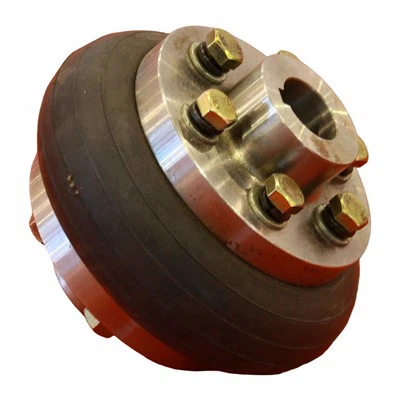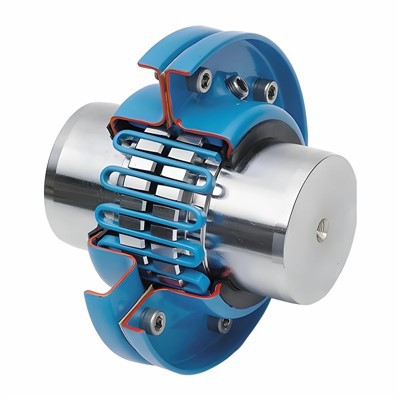
In the realm of mechanical engineering, couplings play a pivotal role in transmitting power between two shafts while accommodating misalignments and dampening vibrations. Among the various types of couplings available, Clamping Star Couplings have gained significant popularity due to their unique design and exceptional performance. In this blog post, we will delve into the concept of torsional flexibility in Clamping Star Couplings, exploring its importance, factors affecting it, and how it contributes to the overall efficiency and reliability of mechanical systems.
Understanding Torsional Flexibility
Torsional flexibility refers to the ability of a coupling to deform or twist under the application of torque without causing excessive stress or damage. In the context of Clamping Star Couplings, torsional flexibility is a crucial characteristic that allows the coupling to absorb and compensate for angular, parallel, and axial misalignments between the connected shafts. This flexibility helps to reduce the transmission of vibrations and shocks, thereby protecting the connected equipment from premature wear and failure.
Importance of Torsional Flexibility in Clamping Star Couplings
The torsional flexibility of Clamping Star Couplings offers several benefits that make them an ideal choice for a wide range of applications. Some of the key advantages include:


Misalignment Compensation
One of the primary functions of a coupling is to accommodate misalignments between the connected shafts. Clamping Star Couplings are designed to provide a high degree of torsional flexibility, allowing them to compensate for angular, parallel, and axial misalignments. This helps to prevent excessive stress on the shafts and bearings, reducing the risk of premature failure and extending the service life of the equipment.
Vibration Damping
In addition to compensating for misalignments, Clamping Star Couplings also have excellent vibration damping properties. The flexible elastomeric element in the coupling absorbs and dissipates vibrations, reducing the transmission of vibrations to the connected equipment. This helps to improve the overall performance and reliability of the system, as well as reduce noise levels.
Torque Transmission
Despite their flexibility, Clamping Star Couplings are capable of transmitting high torque loads. The unique design of the coupling allows it to distribute the torque evenly across the elastomeric element, ensuring efficient power transmission. This makes Clamping Star Couplings suitable for applications that require high torque transmission, such as industrial machinery, pumps, and compressors.
Factors Affecting Torsional Flexibility
The torsional flexibility of Clamping Star Couplings is influenced by several factors, including the material properties of the elastomeric element, the design of the coupling, and the operating conditions. Let's take a closer look at each of these factors:
Material Properties of the Elastomeric Element
The elastomeric element in a Clamping Star Coupling is typically made of a high-performance rubber or polyurethane material. The material properties of the elastomeric element, such as its hardness, elasticity, and damping characteristics, play a crucial role in determining the torsional flexibility of the coupling. A softer elastomeric element will generally provide greater torsional flexibility, but may also have lower torque capacity. On the other hand, a harder elastomeric element will have higher torque capacity, but may provide less torsional flexibility.
Design of the Coupling
The design of the Clamping Star Coupling also affects its torsional flexibility. Factors such as the shape and size of the elastomeric element, the number of stars, and the clamping mechanism can all influence the coupling's ability to deform and twist under torque. A well-designed coupling will have a balanced combination of flexibility and torque capacity, ensuring optimal performance in a wide range of applications.
Operating Conditions
The operating conditions of the coupling, such as the speed, torque, temperature, and environment, can also affect its torsional flexibility. High speeds and torque loads can cause the elastomeric element to heat up, which can reduce its flexibility and increase the risk of failure. Similarly, extreme temperatures and harsh environments can also degrade the performance of the elastomeric element, reducing its torsional flexibility.
Applications of Clamping Star Couplings
Clamping Star Couplings are widely used in a variety of industries and applications, including:
Industrial Machinery
Clamping Star Couplings are commonly used in industrial machinery, such as conveyors, mixers, and pumps. Their torsional flexibility allows them to compensate for misalignments and dampen vibrations, ensuring smooth and efficient operation of the machinery.
Automotive Industry
In the automotive industry, Clamping Star Couplings are used in applications such as engine mounts, steering systems, and transmission systems. Their ability to absorb vibrations and shocks helps to improve the ride comfort and handling of the vehicle.
Robotics
Clamping Star Couplings are also used in robotics applications, where they provide a flexible and reliable connection between the robot arm and the end effector. Their torsional flexibility allows the robot to move smoothly and accurately, while their high torque capacity ensures that the robot can perform heavy-duty tasks.
Conclusion
In conclusion, the torsional flexibility of Clamping Star Couplings is a critical characteristic that allows them to compensate for misalignments, dampen vibrations, and transmit high torque loads. By understanding the factors that affect torsional flexibility and choosing the right coupling for the application, engineers can ensure the efficient and reliable operation of their mechanical systems.
If you are in the market for Clamping Star Couplings or other types of couplings, Clamping Star Couplings offers a wide range of high-quality products to meet your needs. Our Flexible Rubber Shaft Coupling and Star Elastomeric Coupling are designed to provide excellent torsional flexibility, vibration damping, and torque transmission. Contact us today to learn more about our products and how they can benefit your application.
References
- Mechanical Engineering Handbook, Third Edition, Edited by Myer Kutz
- Coupling Handbook, Fourth Edition, Edited by John A. Ross
- Elastomeric Couplings: Design, Selection, and Application, by Thomas H. Brown