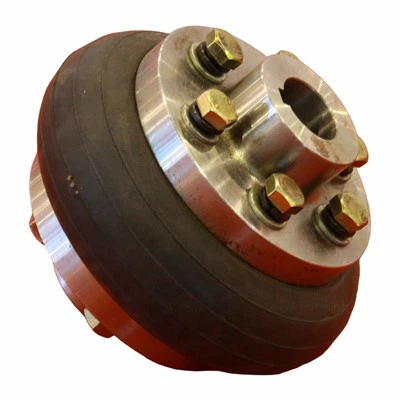
As a supplier of one way diaphragm couplings, I've witnessed firsthand the importance of these components in various industrial applications. One way diaphragm couplings are crucial for transmitting torque while accommodating misalignment between shafts, ensuring smooth operation in many machinery setups. However, like any mechanical part, they are subject to wear and tear over time. Recognizing the signs of a worn - out one way diaphragm coupling is essential for preventing unexpected breakdowns and costly repairs. In this blog, I'll delve into the key indicators that your one way diaphragm coupling may be reaching the end of its service life.
1. Vibration and Noise
One of the most obvious signs of a worn - out one way diaphragm coupling is an increase in vibration and noise during operation. A well - functioning coupling should transmit torque smoothly, with minimal vibration. As the diaphragm begins to wear, it loses its ability to maintain a consistent connection between the shafts. This can lead to uneven torque transmission, causing the machinery to vibrate more than usual.
The vibration can range from a slight tremor to a more severe shaking, depending on the extent of the wear. In addition to the physical movement, you may also notice an increase in noise. The coupling may start to produce a rattling, clicking, or screeching sound, which is a clear indication that something is amiss. These vibrations and noises not only affect the performance of the machinery but can also lead to further damage to other components if left unaddressed.
2. Misalignment
Another sign of a worn - out one way diaphragm coupling is misalignment between the shafts. Diaphragm couplings are designed to accommodate a certain degree of misalignment, but excessive wear can cause the coupling to lose its ability to do so effectively. When the coupling is no longer able to compensate for misalignment, it can lead to increased stress on the shafts and other connected components.
You can detect misalignment by visually inspecting the coupling and the shafts. Look for signs of uneven wear on the coupling or the shafts, as well as any visible gaps or misalignments. In some cases, you may need to use specialized tools, such as a dial indicator, to accurately measure the misalignment. If you find that the misalignment is beyond the recommended tolerance for the coupling, it's likely that the coupling is worn and needs to be replaced.
3. Fatigue and Cracks
Over time, the diaphragm in a one way diaphragm coupling can experience fatigue due to the repeated stress of torque transmission. Fatigue can lead to the development of cracks in the diaphragm, which can significantly weaken the coupling. Cracks can start small and gradually grow larger, eventually leading to complete failure of the coupling.
Inspecting the diaphragm for cracks is an important part of maintenance. You can use a magnifying glass or a borescope to look for any signs of cracking on the surface of the diaphragm. Pay particular attention to areas where the diaphragm is subjected to the most stress, such as the edges and the attachment points. If you find any cracks, no matter how small, it's crucial to replace the coupling immediately to prevent further damage.
4. Reduced Torque Transmission
A worn - out one way diaphragm coupling may also experience a reduction in torque transmission. As the diaphragm wears, it becomes less efficient at transferring torque from one shaft to the other. This can result in a decrease in the power output of the machinery, leading to reduced performance and productivity.
You can measure the torque transmission of the coupling using a torque wrench or a dynamometer. Compare the measured torque with the rated torque of the coupling to determine if there is a significant reduction. If the torque transmission is below the recommended level, it's a sign that the coupling is worn and needs to be replaced.
5. Excessive Wear on Coupling Parts
In addition to the diaphragm, other parts of the one way diaphragm coupling can also experience excessive wear. The bolts, nuts, and washers that hold the coupling together can loosen or wear over time, leading to a loss of integrity in the coupling. The hubs, which connect the coupling to the shafts, can also wear due to friction and misalignment.
Inspect the coupling parts regularly for signs of wear, such as corrosion, pitting, or deformation. Check the tightness of the bolts and nuts, and replace any parts that show significant wear. Using high - quality Diaphragm Coupling Parts can help extend the service life of the coupling and prevent premature failure.
6. Leakage
In some cases, a worn - out one way diaphragm coupling may also experience leakage. This is particularly common in applications where the coupling is used in a sealed environment, such as in a water pump. If the diaphragm is damaged or worn, it can allow fluid to leak from the coupling, which can lead to a loss of efficiency and potential damage to the machinery.
Inspect the coupling for any signs of leakage, such as wet spots or drips. If you find any leakage, it's important to identify the source and take appropriate action. In some cases, the coupling may need to be replaced, while in other cases, a simple repair or adjustment may be sufficient. For water pump applications, consider using a Water Pump Diaphragm Coupling that is designed to withstand the harsh conditions and prevent leakage.


7. Increased Temperature
An increase in temperature is another sign of a worn - out one way diaphragm coupling. As the coupling wears, it generates more friction, which can cause the temperature of the coupling and the surrounding components to rise. High temperatures can accelerate the wear process and lead to further damage to the coupling and other parts of the machinery.
Use a temperature sensor or an infrared thermometer to monitor the temperature of the coupling during operation. If you notice a significant increase in temperature, it's a sign that the coupling is experiencing excessive wear and needs to be replaced.
Conclusion
Recognizing the signs of a worn - out one way diaphragm coupling is essential for maintaining the performance and reliability of your machinery. By regularly inspecting the coupling for vibration, noise, misalignment, fatigue, cracks, reduced torque transmission, excessive wear on parts, leakage, and increased temperature, you can identify potential problems early and take appropriate action.
If you suspect that your one way diaphragm coupling is worn, don't hesitate to contact us. We are a leading supplier of high - quality one way diaphragm couplings and related parts. Our team of experts can help you select the right coupling for your application and provide you with the support and guidance you need to ensure its proper installation and maintenance. Whether you need a Two Piece Shaft Coupling or other diaphragm coupling solutions, we have the products and expertise to meet your needs.
Contact us today to discuss your requirements and start the procurement process. We look forward to working with you to keep your machinery running smoothly.
References
- Machinery's Handbook, 31st Edition
- Coupling Handbook: Selection, Application, and Installation