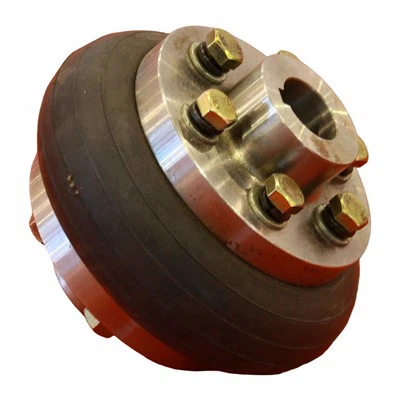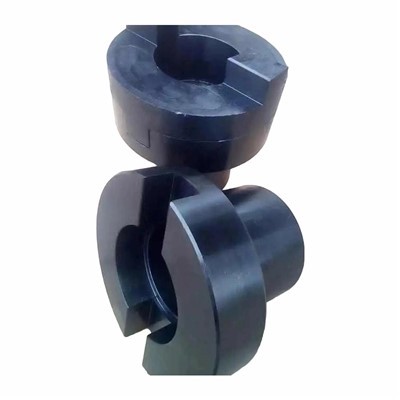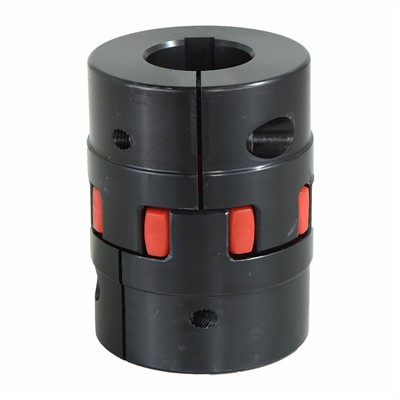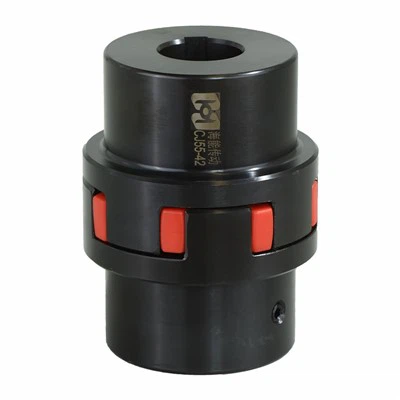
Handling radial load in a universal joint is a critical aspect of ensuring the efficient and reliable operation of various mechanical systems. As a leading universal joint supplier, we understand the challenges and complexities associated with radial load management. In this blog, we will delve into the intricacies of radial load in universal joints, explore effective strategies for handling it, and highlight the importance of choosing the right universal joint for your specific application.
Understanding Radial Load in Universal Joints
Before we discuss how to handle radial load, it's essential to understand what radial load is and how it affects universal joints. Radial load refers to the force applied perpendicular to the axis of rotation of the joint. In a universal joint, radial load can be caused by various factors, including misalignment, vibration, and external forces acting on the joint.
Excessive radial load can lead to premature wear and failure of the universal joint. It can cause increased friction, heat generation, and stress on the joint components, such as the bearings and yokes. Over time, this can result in reduced performance, increased maintenance costs, and even system downtime.
Factors Affecting Radial Load Capacity
Several factors influence the radial load capacity of a universal joint. Understanding these factors is crucial for selecting the right joint for your application and ensuring its long-term reliability.
1. Joint Design
The design of the universal joint plays a significant role in its radial load capacity. Different types of universal joints, such as single cardan joints, double cardan joints, and constant velocity joints, have varying capabilities to handle radial loads. For example, Double Cardan Steering Joint is designed to provide smoother operation and better compensation for misalignment, which can help reduce radial load on the joint.
2. Material Selection
The materials used in the construction of the universal joint also affect its radial load capacity. High-quality materials, such as alloy steels and heat-treated components, can withstand higher radial loads and offer better resistance to wear and fatigue. At our company, we use only the finest materials in the manufacturing of our universal joints to ensure optimal performance and durability.
3. Lubrication
Proper lubrication is essential for reducing friction and wear in a universal joint, especially under radial load conditions. Lubricants help to dissipate heat, prevent corrosion, and provide a protective film between the moving parts. Regular lubrication maintenance is necessary to ensure the continued smooth operation of the joint and to extend its service life.
4. Misalignment
Misalignment between the shafts connected by the universal joint can significantly increase the radial load on the joint. Even a small amount of misalignment can cause uneven distribution of forces, leading to increased stress on the joint components. It is crucial to ensure proper alignment during installation and to monitor and correct any misalignment over time.
Strategies for Handling Radial Load
Now that we understand the factors affecting radial load in universal joints, let's explore some effective strategies for handling it.
1. Select the Right Joint
Choosing the appropriate universal joint for your application is the first step in handling radial load effectively. Consider the specific requirements of your system, such as the magnitude of the radial load, the operating speed, and the degree of misalignment. Our team of experts can help you select the right joint based on your unique needs and provide you with detailed technical specifications and recommendations.
2. Optimize the Design
In some cases, it may be possible to optimize the design of the system to reduce the radial load on the universal joint. This can include reducing the distance between the joint and the load, using flexible couplings to absorb vibrations, and improving the alignment of the shafts. By minimizing the factors that contribute to radial load, you can extend the life of the joint and improve the overall performance of the system.
3. Use High-Quality Components
Investing in high-quality universal joints and components is essential for handling radial load. Our Universal Joint Motor Coupling is designed to provide superior performance and reliability, even under high radial load conditions. We use advanced manufacturing techniques and quality control measures to ensure that our products meet the highest standards of quality and durability.
4. Implement Regular Maintenance
Regular maintenance is crucial for ensuring the proper operation of the universal joint and for detecting and addressing any potential issues before they become major problems. This includes inspecting the joint for signs of wear, checking the lubrication levels, and ensuring proper alignment. By following a regular maintenance schedule, you can extend the life of the joint and reduce the risk of unexpected failures.
Importance of Choosing a Reliable Supplier
When it comes to handling radial load in universal joints, choosing a reliable supplier is essential. A reputable supplier will not only provide you with high-quality products but also offer technical support and expertise to help you select the right joint for your application and ensure its proper installation and maintenance.
At our company, we have a team of experienced engineers and technicians who are dedicated to providing our customers with the best possible solutions for their universal joint needs. We offer a wide range of universal joints, including single cardan joints, double cardan joints, and constant velocity joints, to meet the diverse requirements of different industries.
In addition to our high-quality products, we also provide comprehensive technical support and after-sales service. Our team is available to answer your questions, provide technical advice, and assist you with any issues that may arise. We strive to build long-term relationships with our customers based on trust, reliability, and excellent customer service.


Conclusion
Handling radial load in a universal joint is a complex but essential task for ensuring the efficient and reliable operation of mechanical systems. By understanding the factors affecting radial load, implementing effective strategies for handling it, and choosing a reliable supplier, you can minimize the risk of premature wear and failure of the joint and ensure the long-term performance of your system.
If you have any questions or need further information about handling radial load in universal joints or are interested in purchasing our high-quality universal joints, please feel free to contact us. Our team of experts is ready to assist you and provide you with the best possible solutions for your specific needs.
References
- Norton, Robert L. "Machine Design: An Integrated Approach." Prentice Hall, 2012.
- Shigley, Joseph E., and Charles R. Mischke. "Mechanical Engineering Design." McGraw-Hill, 2003.