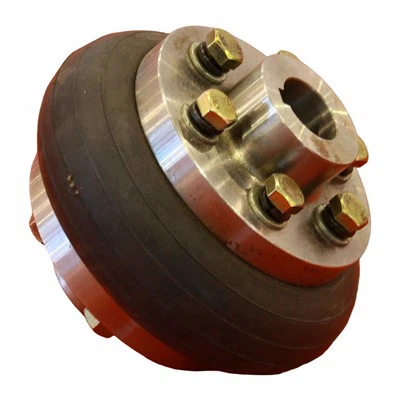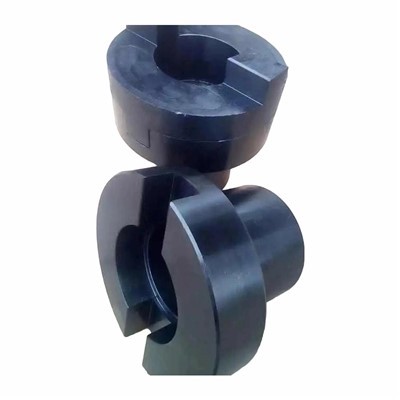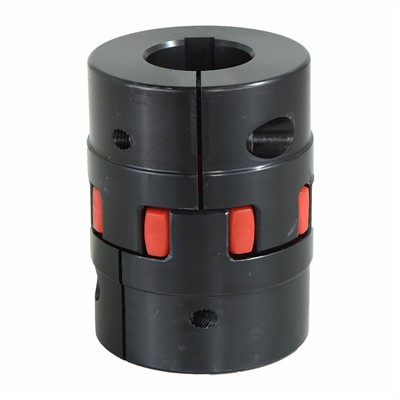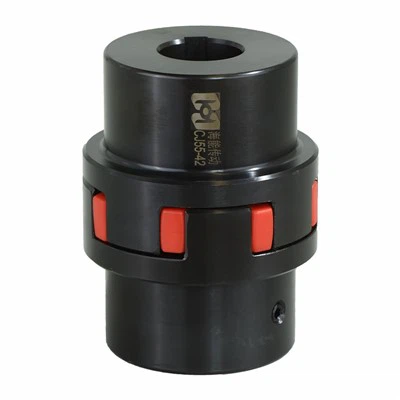
When it comes to installing a flexible pin coupling, safety should always be the top priority. As a supplier of Flexible Pin Couplings, I understand the importance of proper installation and the associated safety precautions. In this blog, I will share some essential safety measures that should be taken during the installation process.
Pre - installation Safety Checks
1. Inspection of the Coupling
Before starting the installation, a thorough inspection of the flexible pin coupling is crucial. Check for any visible damage, such as cracks in the pins, wear on the sleeves, or deformation of the coupling hubs. A damaged coupling can lead to unexpected failures during operation, which may cause serious safety hazards. For example, a cracked pin could break under stress, resulting in the disconnection of the shafts and potential damage to the connected equipment.
2. Review of the Installation Manual
Each flexible pin coupling comes with an installation manual. It is essential to read and understand this manual before starting the installation. The manual provides specific instructions on how to install the coupling correctly, including torque values, alignment requirements, and any special considerations. Ignoring the manual can lead to improper installation, which may compromise the safety and performance of the coupling.
3. Workplace Safety
Ensure that the installation area is clean, well - lit, and free from any potential hazards. Remove any debris, tools, or other objects that could cause tripping or falling. If the installation is taking place in a factory or industrial setting, make sure that all safety guards are in place and that the equipment is properly grounded.
Installation Process Safety
1. Shaft Alignment
Proper shaft alignment is one of the most critical aspects of installing a flexible pin coupling. Misaligned shafts can cause excessive stress on the coupling, leading to premature wear and failure. Use precision alignment tools, such as laser alignment systems, to ensure that the shafts are aligned within the specified tolerance. Incorrect alignment can also result in vibration, which can damage the coupling and other components of the machinery.
2. Handling of Components
When handling the flexible pin coupling components, use proper lifting techniques. The coupling parts can be heavy, and improper handling can lead to back injuries or dropped objects. Wear appropriate personal protective equipment (PPE), such as gloves and safety glasses, to protect against sharp edges and potential flying debris.
3. Torque Application
Follow the recommended torque values provided in the installation manual when tightening the bolts and nuts. Over - tightening can cause damage to the coupling components, while under - tightening can lead to loose connections, which may result in the coupling coming apart during operation. Use a calibrated torque wrench to ensure accurate torque application.
4. Pin and Sleeve Installation
When installing the pins and sleeves, make sure they are inserted correctly. The pins should fit snugly into the holes in the hubs, and the sleeves should be properly seated. Incorrect installation of the pins and sleeves can lead to uneven load distribution, which can cause premature wear and failure of the coupling.
Post - installation Safety Checks
1. Visual Inspection
After the installation is complete, conduct a visual inspection of the coupling. Check for any signs of misalignment, loose connections, or damage. Make sure that all the bolts and nuts are tightened to the correct torque.


2. Test Run
Before putting the equipment into full operation, perform a test run at a low speed. Observe the coupling for any abnormal vibrations, noises, or other signs of problems. If any issues are detected, stop the equipment immediately and address the problem.
3. Documentation
Keep a record of the installation, including the date, the name of the installer, and any relevant details such as the torque values used. This documentation can be useful for future maintenance and troubleshooting.
Importance of Safety in Flexible Pin Coupling Installation
Installing a flexible pin coupling is not just about getting the job done; it's about ensuring the safety of the operators and the longevity of the equipment. A well - installed coupling can reduce the risk of accidents, improve the efficiency of the machinery, and save on maintenance costs.
As a supplier of Flexible Pin Couplings, we offer a wide range of high - quality products, including Flexible Rubber Shaft Coupling, Flexible Pin Coupling, and Elastic Sleeve Pin Coupling. Our products are designed to meet the highest safety and performance standards.
If you are in need of a flexible pin coupling or have any questions about the installation process, we are here to help. Contact us to discuss your requirements and start a procurement negotiation. Our team of experts can provide you with the best solutions for your specific needs.
References
- Coupling Installation and Maintenance Manuals from industry - leading manufacturers.
- Engineering textbooks on mechanical power transmission.
- Safety standards and guidelines from relevant industry organizations.