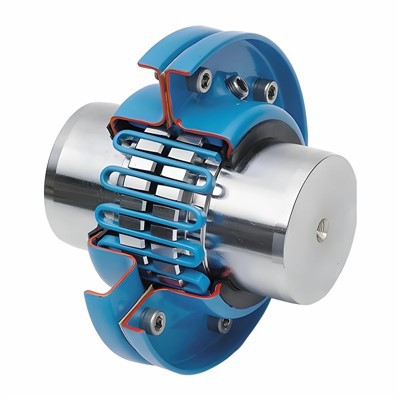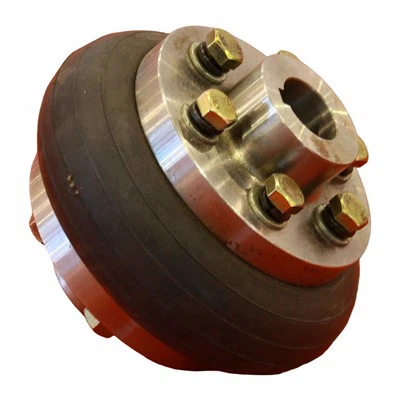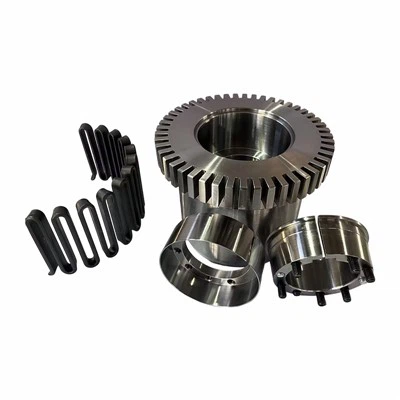
Hey there! As a diaphragm coupling supplier, I've seen firsthand the importance of proper storage for these crucial components. Diaphragm couplings are used in a wide range of industries, from manufacturing to power generation, and they play a vital role in transmitting torque between shafts. But if they're not stored correctly, they can deteriorate quickly, leading to costly repairs and downtime. So, let's dive into how to store a diaphragm coupling properly.


Understanding Diaphragm Couplings
Before we get into storage, let's quickly go over what diaphragm couplings are. These couplings consist of one or more thin diaphragms that connect two shafts. They're designed to accommodate misalignment between the shafts while transmitting torque efficiently. Diaphragm couplings are known for their high torque capacity, low maintenance requirements, and ability to operate in harsh environments.
There are different types of diaphragm couplings available, such as the API Compliant Diaphragm Coupling, which meets the standards set by the American Petroleum Institute, the Locking Diaphragm Coupling, which provides a secure connection, and the Water Pump Diaphragm Coupling, specifically designed for water pump applications.
Storage Conditions
The first thing to consider when storing a diaphragm coupling is the environment. You want to keep it in a clean, dry, and temperature-controlled area. Moisture is the enemy of diaphragm couplings, as it can cause corrosion and rust, which can weaken the diaphragms and reduce the coupling's performance.
- Temperature: The ideal temperature range for storing diaphragm couplings is between 40°F (4°C) and 90°F (32°C). Extreme temperatures can cause the diaphragms to expand or contract, which can lead to stress and potential failure.
- Humidity: Keep the humidity level below 60%. High humidity can accelerate corrosion, so it's important to use dehumidifiers or desiccants if necessary.
- Dust and Debris: Make sure the storage area is free of dust and debris. Even small particles can get into the coupling and cause damage over time.
Packaging
Proper packaging is essential for protecting the diaphragm coupling during storage. When the coupling is not in use, it should be wrapped in a protective material, such as plastic or bubble wrap, to prevent scratches and damage. You can also use a storage case or container to keep the coupling safe.
- Sealing: If possible, seal the packaging to prevent moisture and dust from getting in. This can help extend the life of the coupling.
- Labeling: Label the packaging with the coupling's model number, size, and any other relevant information. This will make it easier to identify the coupling when you need it.
Mounting and Handling
When storing a diaphragm coupling, it's important to handle it with care. Avoid dropping or mishandling the coupling, as this can cause damage to the diaphragms or other components.
- Mounting Position: If the coupling is mounted on a shaft, make sure it's in a stable position. You can use a support stand or other mounting device to keep the coupling in place.
- Lifting: When lifting the coupling, use proper lifting equipment, such as a hoist or crane. Make sure the lifting points are secure and that the coupling is balanced.
Inspection and Maintenance
Regular inspection and maintenance are key to ensuring the long-term performance of the diaphragm coupling. Even when the coupling is in storage, it's a good idea to check it periodically for signs of damage or wear.
- Visual Inspection: Look for any signs of corrosion, cracks, or other damage. If you notice any issues, take the necessary steps to repair or replace the coupling.
- Lubrication: Some diaphragm couplings require lubrication. Make sure to follow the manufacturer's recommendations for lubrication and apply the appropriate lubricant at the recommended intervals.
Long-Term Storage
If you need to store the diaphragm coupling for an extended period, there are a few additional steps you can take to ensure its longevity.
- Preservative Coating: Apply a preservative coating to the coupling to protect it from corrosion. This can help prevent rust and other forms of damage.
- Periodic Rotation: If the coupling is stored for a long time, it's a good idea to rotate it periodically to prevent the diaphragms from becoming deformed.
Conclusion
Proper storage of a diaphragm coupling is essential for maintaining its performance and longevity. By following the tips outlined in this blog, you can ensure that your diaphragm coupling is stored in the best possible conditions. Whether you're using an API Compliant Diaphragm Coupling, a Locking Diaphragm Coupling, or a Water Pump Diaphragm Coupling, taking the time to store it correctly will save you time and money in the long run.
If you're in the market for a diaphragm coupling or have any questions about storage or maintenance, don't hesitate to reach out. We're here to help you find the right coupling for your needs and ensure that it's stored and maintained properly.
References
- Manufacturer's guidelines for diaphragm coupling storage and maintenance.
- Industry standards and best practices for coupling storage.