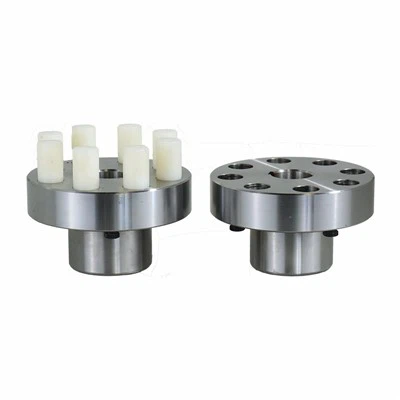
Hey there! As a supplier of Flexible Pin Couplings, I've seen my fair share of questions about replacing these nifty little components. So, I thought I'd put together this blog to walk you through the process step by step. Whether you're a DIY enthusiast or a professional mechanic, this guide should come in handy.
Why Replace a Flexible Pin Coupling?
First off, let's talk about why you might need to replace your Flexible Pin Coupling. Over time, these couplings can wear out due to factors like vibration, misalignment, or just plain old use. When they start to go bad, you might notice symptoms like increased noise, reduced efficiency, or even a complete breakdown. That's when it's time to roll up your sleeves and get to work.
Tools You'll Need
Before you start replacing your Flexible Pin Coupling, you'll need to gather a few tools. Here's a list of what you'll need:
- Socket wrench set
- Screwdriver set
- Pliers
- Hammer
- Safety glasses
- Gloves
Step 1: Safety First
Safety should always be your top priority when working on any mechanical system. Make sure the equipment is turned off and unplugged before you start. Wear safety glasses and gloves to protect yourself from any potential hazards.
Step 2: Identify the Coupling
The first step in replacing a Flexible Pin Coupling is to identify the type of coupling you have. There are several different types of couplings available, including Elastic Sleeve Pin Coupling, Flexible Pin Coupling, and Double Flange Star Coupling. Make sure you have the right replacement coupling for your application.
Step 3: Remove the Old Coupling
Once you've identified the coupling, it's time to remove the old one. Start by loosening the bolts or screws that hold the coupling in place. Use a socket wrench or screwdriver to remove the bolts, and set them aside in a safe place. Once the bolts are removed, you should be able to slide the old coupling off the shafts.


Step 4: Inspect the Shafts
Before you install the new coupling, it's important to inspect the shafts for any damage or wear. Look for signs of corrosion, pitting, or other damage. If you notice any damage, you may need to repair or replace the shafts before installing the new coupling.
Step 5: Install the New Coupling
Once you've inspected the shafts, it's time to install the new coupling. Start by sliding the new coupling onto the shafts. Make sure the coupling is properly aligned with the shafts and that the bolts or screws are tightened to the manufacturer's specifications. Use a torque wrench to ensure that the bolts are tightened to the correct torque.
Step 6: Test the Coupling
After you've installed the new coupling, it's important to test it to make sure it's working properly. Turn on the equipment and listen for any unusual noises or vibrations. If you notice any problems, stop the equipment immediately and check the coupling for any issues.
Step 7: Maintenance
To ensure the long-term performance of your Flexible Pin Coupling, it's important to perform regular maintenance. This includes checking the coupling for wear and damage, lubricating the coupling as needed, and tightening the bolts or screws as necessary.
Conclusion
Replacing a Flexible Pin Coupling may seem like a daunting task, but with the right tools and a little know-how, it's actually a relatively simple process. By following the steps outlined in this blog, you should be able to replace your coupling quickly and easily. If you have any questions or need further assistance, don't hesitate to contact us. We're here to help you find the right coupling for your application and ensure that it's installed correctly.
If you're in the market for a new Flexible Pin Coupling, we'd love to hear from you. Our team of experts can help you find the right coupling for your needs and provide you with the support and guidance you need to ensure a successful installation. Contact us today to learn more about our products and services.
References
- Manufacturer's instructions for your specific Flexible Pin Coupling
- Industry standards and best practices for coupling installation and maintenance